


Popular digital wallets include PayPal, Cash App, Apple Pay, Google Wallet, Venmo, Stripe, and other similar applications. Payset’s payment solution combines a digital wallet with a multi-currency account.
Due to the popularity of online spending, digital wallets are now considered one of the safest and most convenient ways to spend money online and in person. Here’s why.
How Do Digital Wallets Work?
Digital wallets can be accessed through mobile apps and web apps.
Those apps are connected to an online account that can store money, initiate transactions, and receive payments. As such, digital wallets are are typically connected to another source of funds, like a credit card or bank account. Digital wallets can also receive payments sent from a variety of sources.
Though digital wallets may support various assets, they generally work with fiat or traditional currencies such as the euro or the U.S. dollar.
How Do Digital Wallet Apps Protect Your Information?
Digital wallets use several techniques to protect user information.
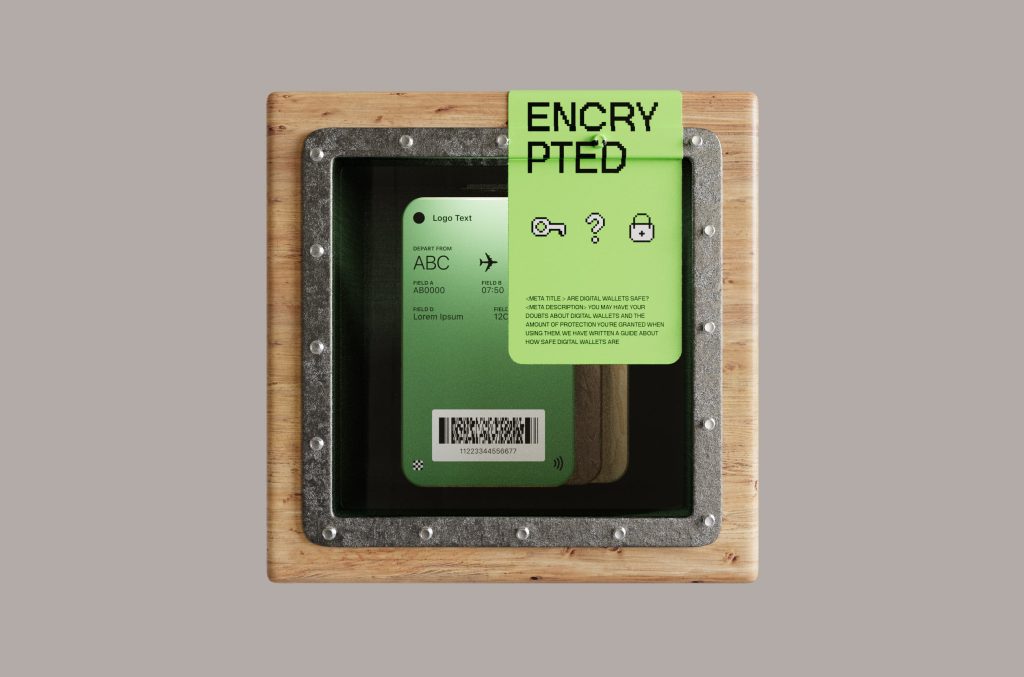
First, your personal and financial data is almost always encrypted by the digital wallet company that stores that information. Even if that company is hacked, the attacker will probably not be able to decipher the stolen information and use it in any way.
Secondly, most digital wallets make it difficult for anyone but the proper owner to log into their own account. For example, you may need to input a two-factor authentication (2FA) code in addition to your password to log in. You also may need to answer verification questions if you forget your password and try to recover your account.
Finally, the device that you use to access your digital wallet provides a layer of security. Your phone, tablet, or computer might have a biometric lock screen or a system-wide password that prevents anyone but you from using that device.
Some of these security features are optional to the user, meaning that you must enable those features to benefit from them.
What Should You Do if Your Device Is Lost or Stolen?
If your device is lost or stolen, you should change the password on all of your accounts — including your digital wallet — as soon as possible.
If possible, you should also deactivate your lost or stolen device remotely. This will prevent anyone else from accessing your device.
You can make these changes by logging in through another device or browser.
If you notice unusual activity on your account, you may be able to reverse a charge or lock your account before further spending occurs. You may be able to dispute specific charges through your digital wallet provider.
Can a Digital Wallet Be Hacked?
Digital wallets can potentially be hacked. If an attacker manages to access your account, they will be able to initiate transactions as if they were you.
If your wallet is hacked, you should change your password or remotely disable the account, just like you would do if your device was stolen. Once again, you should report unusual transactions to your digital wallet provider.
Remember that prevention is the best strategy: enable features like two-factor authentication (2FA), avoid sharing your password, and be aware of phishing scams.
Hacks are often the fault of the user. However, this is not always the case, and any company that provides a digital wallet may be a victim of an attack.
At Payset, we use 2FA along with several other security protocols including PSD2 compliance as well as segregating or “safeguarding” our accounts in accordance with UK regulatory requirements. This means that client funds and company funds are stored separately, and as such, any single attacker can only gain partial access to funds.
How Secure Are Digital Wallets?
Digital wallets are as secure as any other financial service.
Before you create your account, digital wallet companies collect identifying information. By doing so, your digital wallet provider can ensure that you and you alone can access your account. By collecting this data — also called “know your customer” or KYC data — digital wallet providers can additionally prevent fraud and crime in general.
Apart from these measures taken by your wallet provider, it is your responsibility to keep your wallet secure.
Be sure to turn on all security features, including two-factor authentication (2FA). Always monitor your account for unusual spending activity.
How Widespread Is Digital Wallet Technology?
Digital wallet technology is now extremely popular due to the growth of e-commerce. Though online banking offers features that can compete with digital wallets, most traditional banking services and fee structures are designed for large transfers.
By contrast, digital wallets are designed for small retail or personal transactions and mid-sized business transactions. Therefore, digital wallets are widespread in commerce.
The most popular digital wallets have become well-known because of their association with broader commerce trends. PayPal, for example, was acquired by eBay when the latter site became popular in the early 2000s — and although that relationship no longer exists, PayPal remains one of the largest digital wallet providers.
Similarly, Google and Apple Pay have become major digital wallet providers due to each company’s online app and media stores for their Android and iOS devices. These trends have made certain digital wallets into household names.

What Is the Future of Digital Wallet Technology?
The fact that e-commerce is growing means that digital wallets will likely become increasingly popular and gain new capabilities.
Some predictions suggest that 60% of the world’s population will make use of digital wallets by 2026. The same source suggests that the total value of digital wallet transactions will rise from $7.5 trillion to $12 trillion by 2026.
Digital wallets will likely add support for new assets such as identity tokens, gift cards, loyalty points, coupons, event tickets, transportation tickets, and crypto tokens. In fact, these features are already present in certain cutting-edge digital wallets.
What Are the Advantages of a Digital Wallet?
Though digital wallets cannot entirely replace standard bank accounts, they are useful because they cater to those who spend money online and on mobile devices.
Plus, digital wallets often offer lower transaction fees, faster transaction times, and a wider variety of payment options compared to traditional spending options.
Though not all digital wallets are accepted by every merchant and online business, digital wallets are now widely used and accepted. As such, they are a very convenient choice for anyone who needs to spend money electronically.
Are Digital Wallets Safer than Traditional Debit Cards?
Digital wallets are more secure than debit cards, at least where basic theft is concerned.
Currently, most debit cards do not require the holder to input a password or PIN code if they use the card in person at a store. This means that, if your debit card is lost or stolen, you must notify your bank as soon as possible so they can cancel or freeze it.
Digital wallets, however, are almost always password-protected. Even if someone steals your phone or other device, they will still need your password to access your spending app. Though it is not impossible to hack a digital wallet, it is much more difficult for casual theft to occur when you use a digital wallet.
It should be noted that debit cards and digital wallets are both vulnerable to attacks that target human error, such as phishing and other types of scams.
Does a Digital Wallet Have Fees?
Digital wallets usually have transaction fees.
Basic digital wallet payments often carry a transaction fee of about 4%. However, fees may be considerably higher if a transaction is aimed at a foreign country, involves moving money from a bank account, or carries additional flat fees.
Receiving money through your digital wallet is often free. You may also obtain reduced fees if you are making a personal transaction rather than a commerce transaction.
At Payset, our sending fees start at 4%. Receiving money is always free, and you can send money to other Payset users at no cost. Monthly and service fees also apply.
Are Digital Wallets Insured?
Digital wallets may or may not come with insurance.
Many digital wallet providers are electronic money institutions (EMIs). Unlike banks, EMIs are smaller financial institutions and are not required to offer insurance by law.
Digital wallet providers that do offer insurance will only cover losses in certain circumstances. Insurance usually does not cover funds that you lose through your own error — that is, it does not cover losses if you are the victim of a scam or fraud.
Instead, insurance typically covers losses that are the fault of the digital wallet provider itself. If your digital wallet provider is hacked or defrauded, and the company fails, you may be able to receive a portion of your funds through the insurance provider.
However, this does not apply to all digital wallet providers.
How Do I Set Up a Digital Wallet?
You can set up a digital wallet with Payset by getting in touch with one of our agents. We’ll guide you through the process and ask any necessary questions.
By choosing Payset, you’ll benefit from tailored fees, access to 34 international currencies, an integrated foreign currency exchange, and much more.
Click below to find out more.